Introduction: Why Dragons Captivate Young Readers
Do you remember the first time a dragon roared off the page and into your imagination? These mythical creatures have been a cornerstone of children’s fantasy literature for decades.

They symbolize adventure, wonder, and the thrill of overcoming impossible odds. In 2026, that magic is stronger than ever. Books featuring dragons and mythical creatures now dominate 15% of the fantasy children’s market, according to fact-checked sales statistics from WifiTalents.

That is a huge slice of a very big pie.
The children’s book market itself is booming. It was valued at $11.8 billion in 2025 and is projected to reach $18.6 billion by 2034, growing at a 5.2% CAGR, as reported by Dataintelo. Parents and educators see the value in screen-free, imagination-fueled reading. Trends from 2026 show a rising demand for hands-on, screen-free children’s books, as noted by Circana.

But here is the challenge. With so many dragon books out there, how do you find the good ones? How do you pick the perfect book of dragons for a reluctant reader or a budding fantasy fan? The search for the right series like Wings of Fire or the right age-appropriate fantasy forest story can feel overwhelming.
This guide is here to help. I have gathered expert-curated picks and age-appropriate suggestions so you can skip the overwhelm and find the perfect dragon book today. If you want to explore more top-quality series for young readers, check out our guide to the best children’s book series for ages 6 to 12 that kids actually love. Ready to discover new worlds? Want Better SF Comedy? This series pairs cosmic absurdity with meaning and perspective, perfect for readers who love a good laugh with their adventure.
Why Dragons Endure in Children’s Fantasy
So why do kids keep coming back to dragons? Why do these scaled beasts show up in so many favorite stories?
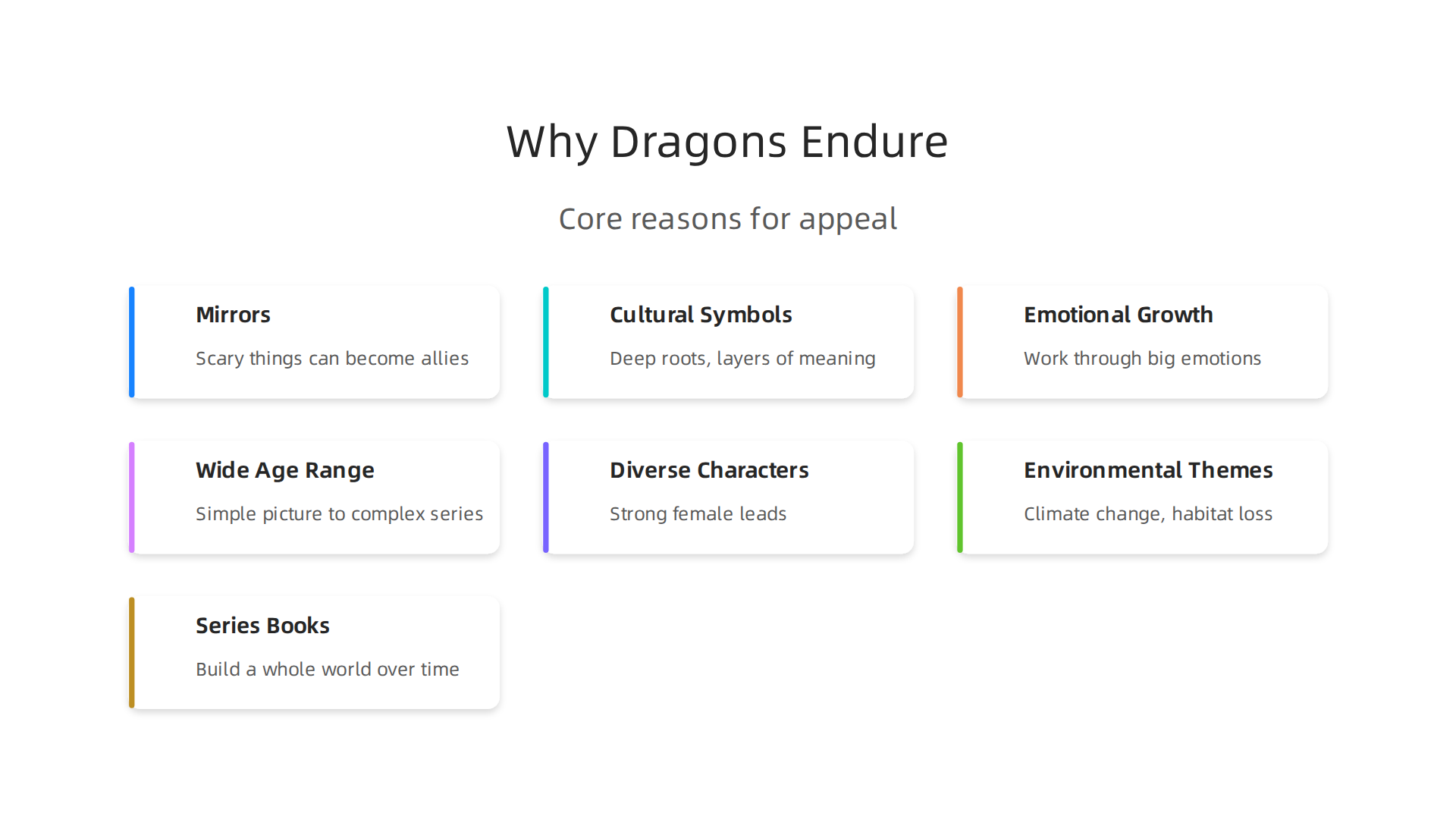
Here is the thing. Dragons are not just monsters. They are mirrors. In the best book of dragons, a dragon can be a terrifying foe one moment and a loyal friend the next. That shift teaches children something important about fear, courage, and trust. They learn that scary things can become allies. They learn that bravery is not about the absence of fear. It is about acting despite it.
This idea is not new. Dragons come from myths all over the world. In European folklore, they often guarded treasure and breathed fire. In Asian traditions, they brought wisdom and good fortune. These rich roots give dragon stories layers of meaning. A child reading about a dragon in a fantasy forest is actually exploring deep cultural symbols without even realizing it.
That is why fantasy literature is so vital for kids. It lets them play out their deepest dreams and face their darkest fears in a safe space.

According to author and writing teacher Kate Forsyth, fantasy provides an arena where children can work through big emotions and big ideas. You can read more about this idea in her article on why fantasy fiction is vital reading for children.

Modern dragon books take this one step further. They blend magic with real emotional growth. Think about popular series like Wings of Fire books or even the early Harry Potter books in order. These stories do not just have cool dragon scenes. They show characters learning to handle anger, loss, and friendship. They show kids that being different can be a strength.
The result is a genre that works for a wide age range. A four year old can enjoy a simple picture book about a friendly dragon. A twelve year old can dive into a complex series with warring dragon clans. For reluctant readers especially, dragon books can be the hook that finally gets them excited about reading. Dragon books blend fantasy with reality in a way that pulls kids in, as noted by educational experts at Study.com.
If you are looking for more complete fantasy adventures that blend magic with meaningful character growth, check out our guide to the best completed fantasy book series you can finish today.
And for readers who love the blend of adventure and humor, why stop at dragons? Want Better SF Comedy? This series pairs cosmic absurdity with meaning and perspective, perfect for older kids and adults who want laughs with their fantasy.
Classic Dragon Books Every Child Should Read
Now that we know why dragons matter so much in children’s stories, let’s look at the classics that started it all. These are the books that have been passed down for decades. They are gentle, kind, and perfect for first time readers.
Two titles stand out above the rest.
First is The Reluctant Dragon by Kenneth Grahame. This book tells the story of a young boy who discovers a dragon living on a hillside. But here is the twist. This dragon does not want to fight. He would rather recite poetry and have a picnic. The boy becomes the dragon’s friend and helps him avoid a battle with a local knight. It is a warm, funny story about kindness and understanding. According to a roundup of classic dragon books, this title remains a top pick for children ages 7 to 10 because it shows that dragons can be gentle friends instead of scary monsters. You can see more recommendations like this at Sunshine and Munchkins.
Second is My Father’s Dragon by Ruth Stiles Gannett. This one is a chapter book that has charmed young readers since 1948. A little boy named Elmer runs away to a wild island to rescue a baby dragon. The dragon is being held captive by lazy animals. Elmer uses his wits and a bag of simple supplies to outsmart them. It is a short, exciting adventure that builds confidence in new readers. Many libraries still keep this on their featured lists for beginning chapter book readers. The Boston Public Library includes it in their collection of dragon books for children.
These two books share something important. They treat dragons as beings worth understanding, not just creatures to defeat. That is the foundation of all later dragon fantasy.
Other gentle classics include A Friend for Dragon by Dav Pilkey and Dragon’s Fat Cat from the same series. These are great for very young kids who are just learning to read. The dragon in these books is a sweet, clumsy character who deals with everyday problems. The Madison Public Library suggests these as perfect picture books for preschool ages.
Reading these classics early gives children a frame of reference. When they later pick up more complex series like Wings of Fire or Dragon Masters, they already understand that dragons can be friends. They have a mental map of the fantasy forest where these stories take place. That makes deeper stories easier to enjoy.
For parents looking to build a full library of beginner books, we recommend exploring our guide to the best children’s book series for ages 6 to 12. It covers series that grow with your child, from simple dragon tales to full fantasy adventures.
Classic dragon books are the perfect entry point. They are short, kind, and full of wonder. They prove that even the biggest, scariest creatures can become our best friends.
Modern Dragon Books Pushing the Boundaries
The classics gave us gentle dragons and simple adventures. They taught us that dragons could be friends. But the dragon books being written today are doing something bigger. They are pushing into bold new territory with diverse characters, strong female leads, and stories that tackle real world problems.
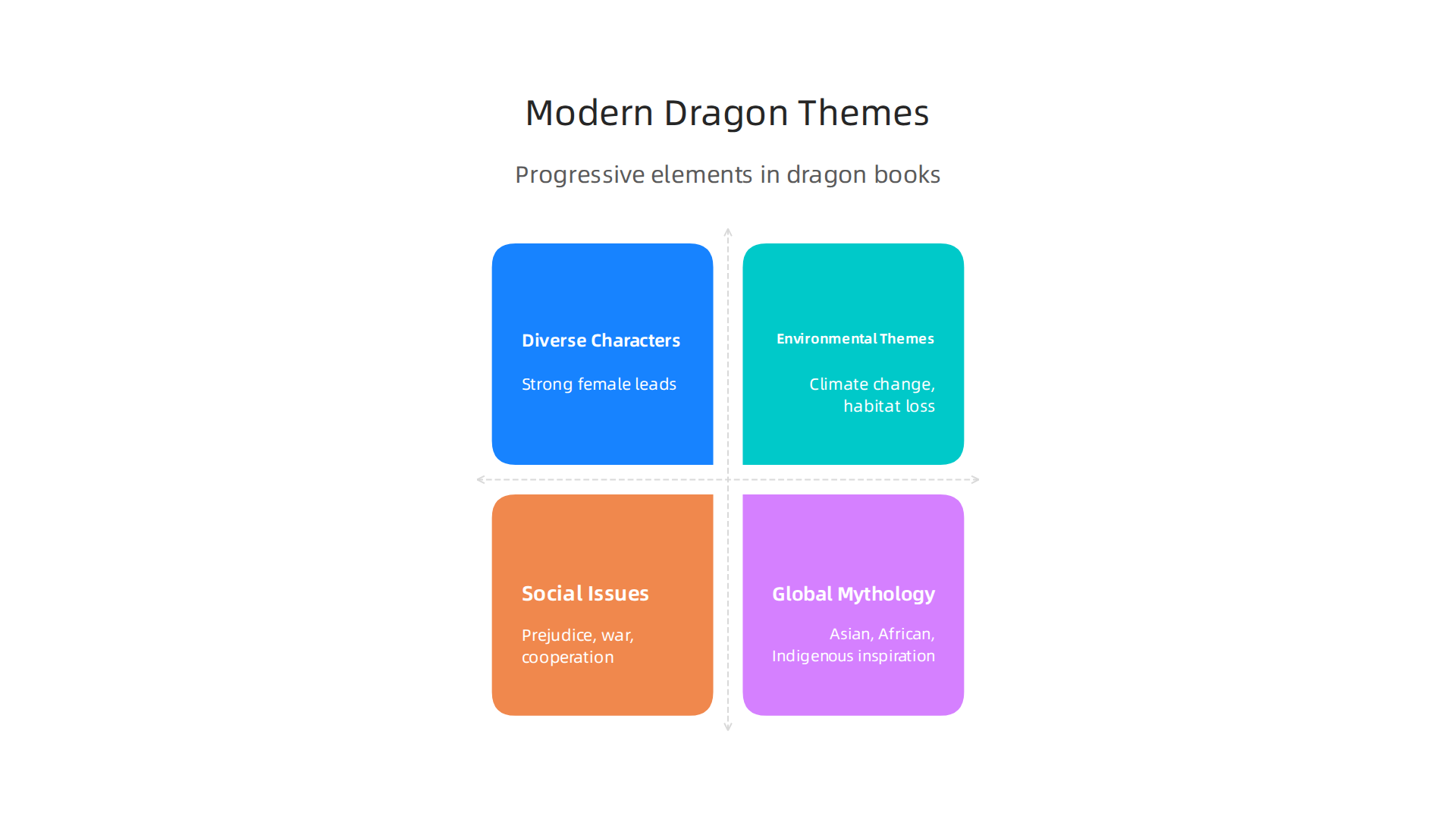
The biggest example is the Wings of Fire series by Tui T. Sutherland. This is the ultimate modern book of dragons for middle graders. The story follows five young dragonets who must fulfill a prophecy to end a generations long war. The world-building is rich and complex. The dragon characters have distinct personalities and real emotional struggles. Many of the lead heroes are strong, smart females who drive the action themselves. This series has sold millions of copies and has a massive following among kids ages 8 to 12. It shows that young readers are ready for political intrigue and moral questions in their dragon fantasy. Modern dragon series like this one are becoming just as culturally important as the harry potter books in order were for a previous generation of readers. You can find Wings of Fire featured in many roundups of top dragon books for kids Scary Mommy.
Another major shift is the thematic depth of these stories. Modern dragon books often tackle environmental themes like climate change and habitat loss. They explore social issues like prejudice, war, and the importance of cooperation. The characters are more diverse too. Authors now draw from cultures all over the world to create fresh settings. A great book of dragons released today might be set in a fantasy forest inspired by Asian, African, or Indigenous mythology. This diversity helps all children see themselves in these adventures. Libraries now stock dozens of these modern series because they connect so strongly with young readers Boston Public Library.
If your child is younger, start with Dragon Masters by Tracey West. It is a beginner chapter book series that is easy to read and full of excitement. For a classic epic, Eragon remains a fantastic choice for older kids. It follows a boy and his dragon as they fight an evil empire, and it makes a wonderful read aloud for families Create in the Chaos. And do not forget How to Train Your Dragon. The books are very different from the movies. They are funnier, stranger, and full of heart.
These modern stories build on the foundation of the classics. They take the idea of a friendly dragon and add real stakes, deep character growth, and meaningful themes. They help kids think about the world while getting lost in a fantastic adventure.
To keep your child’s reading momentum going, explore our full guide to the best children’s book series for ages 6 to 12. It covers exactly how to match books to your child’s growing skills and interests.
And if you love stories that break the mold with wit and intelligence, check out a hidden gem for your own reading list. It is a science fiction comedy built for fans who love sharp, imaginative world-building. Add The Ridiculous to Your List.
Age-by-Age Recommendations: From Picture Books to YA
Now that you have seen how modern dragon books push boundaries, you probably want to know exactly which book of dragons fits your child. The right pick makes all the difference. A story that feels too hard frustrates a new reader. A story that feels too babyish turns off an older one. Here is a simple age-by-age guide to help you choose.
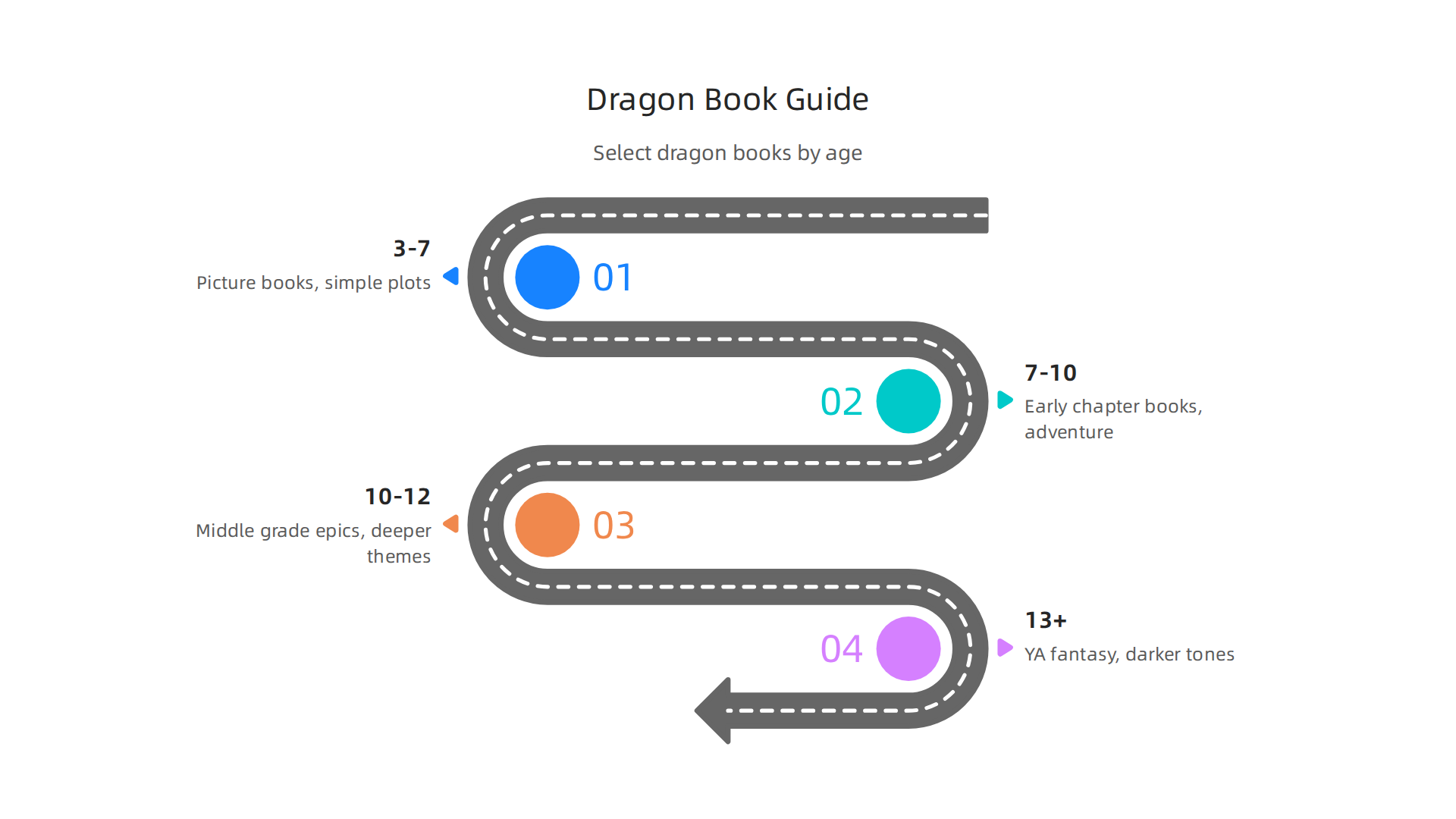
Ages 3 to 7: Picture Books and First Adventures
At this stage, kids love bright colors, simple plots, and gentle characters. Look for picture books where dragons are more playful than scary. Board books with dragon illustrations work well for toddlers. For preschoolers, try stories where a dragon learns to share or make a friend. The key is short text and lots of visual fun. Many libraries and bookstores have special sections for these early dragon tales Scholastic. These books build a love for reading without overwhelming little ones.
Ages 7 to 10: Early Chapter Books
Once children start reading on their own, they want a bit more adventure. This is the perfect time for series like Dragon Masters by Tracey West. These books have short chapters, simple words, and exciting plots about kids who bond with magical dragons. Another great choice for this age group is My Father’s Dragon, a classic that mixes adventure with heart Read Brightly. The Wings of Fire graphic novel adaptations also work well here. They bring the same political intrigue but with art that helps younger readers follow the story. A good book of dragons for this age keeps the action high but the stakes manageable. If your child devours these, they are ready for longer stories.
Ages 10 to 12: Middle Grade Epics
Middle grade readers can handle longer novels and deeper themes. This is where series like Wings of Fire (the full novels) and Eragon shine. These books have complex worlds, strong characters, and moral choices. Kids at this age enjoy exploring a fantasy forest or a magical kingdom with detailed rules. The Wings of Fire books are especially popular because they show multiple dragon perspectives and tackle real issues like war and prejudice Create in the Chaos. For a lighter option, How to Train Your Dragon offers humor and heart. Many middle graders also enjoy companion books and guides that expand the dragon universe Goodreads. If your child finishes these quickly, they might be ready to move beyond dragon fantasy.
Ages 13 and Up: YA Dragon Fantasy
Teens crave stories with darker tones, romance, and bigger consequences. The Eragon series remains a top pick for this age, blending epic battles with a growing bond between a boy and his dragon. Other great YA dragon books include Seraphina, which explores identity and prejudice in a kingdom with dragons, and Eon, which mixes dragon magic with East Asian mythology Sno-Isle Libraries. These books often have teen protagonists dealing with love, loss, and difficult choices. They are more mature but still full of wonder. For teens who love these stories, many of the harry potter books in order also offer similar magic and stakes. And if they want a complete world to dive into, check out our list of best completed fantasy book series for older readers.
A Note on Keeping the Momentum
Dragon books are a gateway. They open the door to fantasy, science fiction, and even horror. After a young reader finishes a series like Wings of Fire, they might be ready for something new. That is where having the next great read ready helps. And if you are a reader who loves witty, clever stories that bend genres, there is a hidden gem waiting for you. It is a science fiction comedy built for fans who love sharp world-building. Check out The Ridiculous when you need a break from dragon quests but still want a smart adventure.
Series vs. Standalone: Which to Choose?
After looking at the age-by-age picks, you might still wonder: should you grab a whole series or just one standalone book of dragons? Both have their own magic, and the right choice really depends on your child’s reading style.
Let’s break it down.
Series books like How to Train Your Dragon or the Wings of Fire books build a whole world over time. Kids get to know the characters deeply and watch them grow across multiple adventures. That long arc keeps them coming back for more. A good series can turn a hesitant reader into someone who begs for "just one more chapter." According to Create in the Chaos, series like Eragon work well as read-alouds for younger kids or independent reads for older ones because the story pulls you in and doesn’t let go. The downside? If your child loses interest halfway, finishing a series can feel like homework.
Standalone books are the opposite. They give you a complete story in one shot. No waiting for the next book. No pressure to remember plot threads from three books ago. Standalones are perfect for reluctant readers who might feel daunted by a long series. They are also great for quick reads between longer books. Classics like The Paper Bag Princess (a standalone picture book) or Dragon Rising offer a full dragon adventure without any commitment Sunshine and Munchkins. If your child likes variety and finishing things quickly, standalone novels might be the better fit.
So which should you choose? It comes down to your child’s patience and reading habits. Does your child love sticking with the same characters for months? Pick a series like the Wings of Fire books. Does your child prefer trying new things and finishing fast? Go with standalones. Both formats have their place. And remember, you can always mix them. Start with a standalone to test interest, then move into a series once they are hooked.
If your child blazes through a dragon series and needs something fresh, there are plenty of other worlds to explore. You might check out our list of best children’s book series for ages 6 to 12 for more ideas. And for a completely different kind of adventure, try a science fiction comedy that bends genres and rewards clever readers. Check out The Ridiculous when you want a smart, funny break from dragon quests.
How to Choose the Perfect Dragon Book for Your Child
You know your child better than anyone. So how do you pick the right dragon book without wasting money on one they won’t touch?

Start simple. Think about their age and what they can actually read on their own. A picture book about a friendly dragon works great for a 4-year-old. But a tween who loves adventure might want something like Wings of Fire books, which have deeper plots and tougher challenges. According to Scholastic, newly independent readers often enjoy the Dragon Masters series, which follows eight-year-old Drake. That is a perfect match for early elementary kids.
Next, look at what excites your child. Do they prefer friendly, cuddly dragons or fierce, fire-breathing ones? Some kids love dragons that teach lessons about friendship and bravery. Others want epic battles in a dark fantasy forest. The Read Brightly list shows that older kids and teens enjoy books like Eragon and A Dragon’s Guide to Making Your Human Smarter. These have more complex characters and moral choices. If your child is sensitive, stick with gentle dragons. If they crave action, go fierce.
Also pay attention to the book’s format. Engaging illustrations make a huge difference for younger readers. So does diversity in characters. Kids connect better when they see themselves in the story. And positive themes like courage, kindness, and teamwork make a book of dragons worth reading again and again. You can check Goodreads for popular titles or ask your local librarian for trusted picks. Curated lists save you time and ensure quality.
When you are ready to move beyond dragons entirely, or if your child has already devoured every dragon story in sight, try something completely different. Check out The Ridiculous for a smart, funny science fiction adventure that rewards clever readers and bends genres in unexpected ways. It is a perfect next step for kids who loved the magic of dragon worlds but want a new kind of journey.
Summary
This article explains why dragon stories remain a powerful draw for children and gives practical guidance on finding the right dragon book for every age and reading level. It opens with market context showing the genre’s popularity, then explores why dragons work as emotional mirrors in children’s fiction. The guide highlights timeless classics (like The Reluctant Dragon and My Father’s Dragon) and modern series (notably Wings of Fire and Dragon Masters), and it outlines age-by-age recommendations from picture books to YA epics. You’ll learn the difference between series and standalones, how to match tone and complexity to your child, and quick tips to engage reluctant readers. By the end you’ll have clear next steps for building a dragon-themed reading plan and where to look for reliable picks.