Why Jung, Stendhal, and the Classics Still Matter for Readers Today
Have you ever felt lost when trying to pick out a new book? It can be tough, especially when you want to read something truly important or from a famous thinker. In 2026, there are so many books out there, it’s hard to know where to begin. You might want to understand big ideas from people like Carl Jung, or enjoy classic stories from writers like Stendhal. But how do you find the best ones, and how do you make sense of them?
This article is here to help. We’ll give you clear guidance on some influential thinkers and classic authors.

We’ll explore the main ideas from Carl Jung and talk about the best carl jung books to read. We’ll also dive into the world of Stendhal and highlight some of the best stendhal novels.
You’ll also see how old stories and wisdom still shape the books we read today. This includes all sorts of books, even fun ones like those found when you uncover quality science fiction books to read for free. We’ll show you how classics can make you enjoy modern stories even more. For example, thinking about classic structures can even help understand a new sci-fi comedy with absurd action and thoughtful punchlines. If that sounds good to you, then you might want to Read Smart Funny SF.
Learning from classic literature is something many people are interested in today. There are even programs like Teaching the Classics: A Socratic Method for Literary Education that help readers understand complex texts better. We’ll show you how reading a [wuthering heights book] or exploring [great irish novels] can still be very exciting. Our goal is to give you easy-to-follow reading guides so you can truly enjoy these timeless works and see how they connect to your world.
What Carl Jung Wrote: Key Works and Core Concepts
Carl Jung wrote many important books and papers that help us understand ourselves and the stories we tell. His ideas are still very strong in 2026, especially for people who love to read and want to look deeper into characters and plots.
Jung’s main writings are gathered in a big collection called The Collected Works of C. G. Jung Wikipedia. These books cover all his thoughts from 1902 until he passed away in 1961. If you’re looking for the best carl jung books to start with, many guides can help you find the right ones for your journey into his complex ideas, like a Best Carl Jung Books: Complete Guide to Essential Works 2026 article.
Some of Jung’s most helpful ideas for readers include:
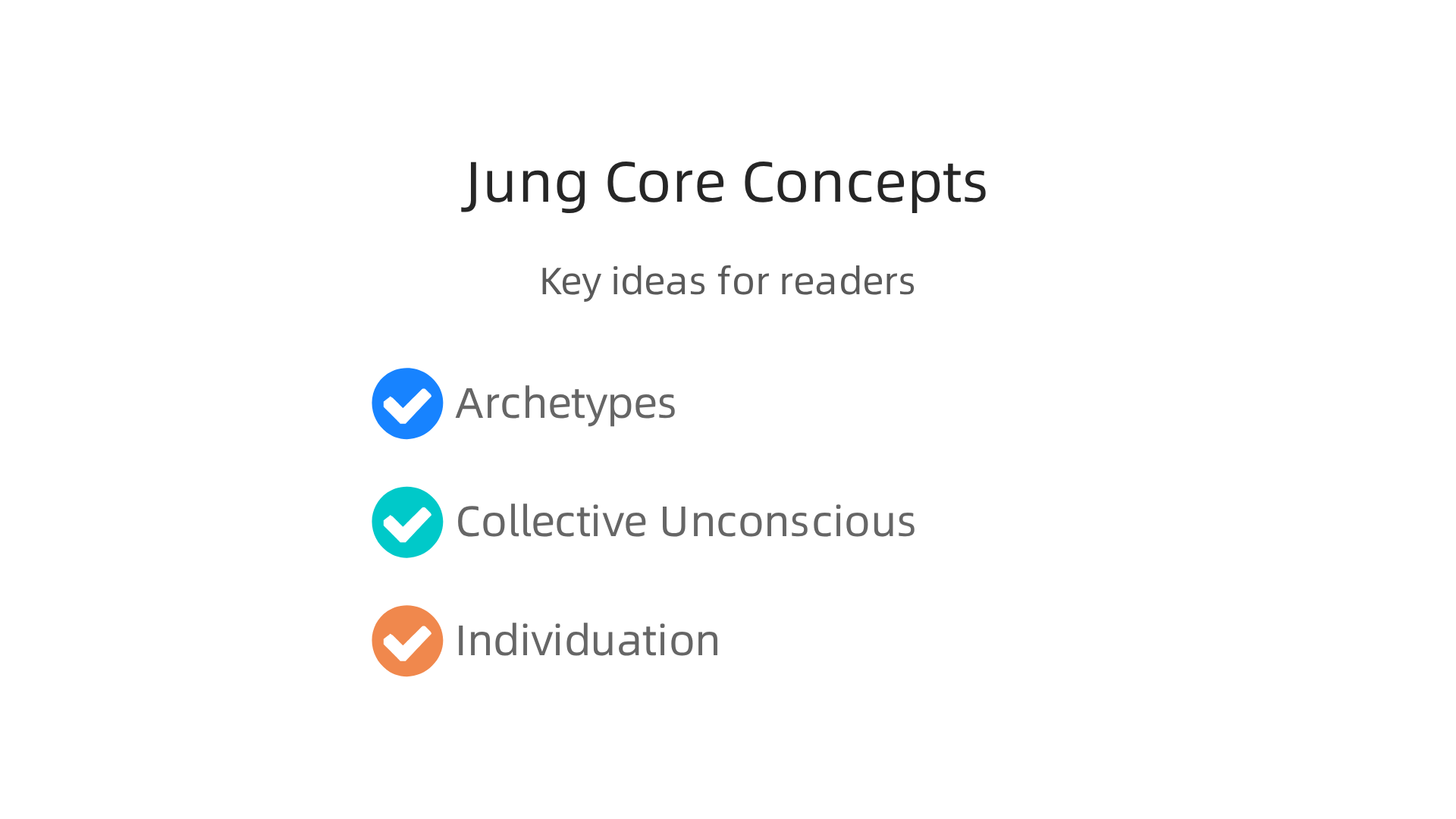
- Archetypes: Think of these as universal patterns or basic models for characters and situations in stories. For example, the "hero" who goes on an adventure, the "wise old person" who gives advice, or the "shadow" which is the darker part of ourselves. You can see these archetypes in almost any book you read, from ancient myths to a modern
wuthering heights bookorgreat irish novels. Jung’s book, The Archetypes of the Collective Unconscious, dives deep into these ideas. - The Collective Unconscious: Jung believed that all humans share a kind of hidden memory or knowledge. This "collective unconscious" is where archetypes live. It means we all have a basic understanding of certain symbols and stories because they are part of our shared human experience.
- Individuation: This is a fancy word for becoming your true, whole self. In stories, you often see characters going on a journey to find themselves and grow. This path of self-discovery is what Jung called individuation.
When you use Jung’s ideas, you get powerful tools for reading. You can start to see how authors use these archetypes and symbols to make their characters feel real and their stories powerful. For instance, when reading a novel, you can ask:
- Which archetypes do the main characters fit into?
- How does the story show the hero’s journey or a character’s path to individuation?
- What universal symbols (like a magical forest or a dangerous sea) appear, and what might they mean from a collective unconscious point of view?
Looking at books through a Jungian lens can make reading a much richer experience, helping you understand not just the story, but also why certain tales speak so deeply to people across time.

It helps you unlock the hidden meanings in all sorts of books. If you enjoy diving into deep themes, consider reading more about discovering quality adult dystopian novels for thought provoking reads.
You might be surprised how much meaning you can find, even in books that seem light or just for fun. Understanding these layers helps you get more out of every story you pick up. Want Better SF Comedy? This series pairs cosmic absurdity with meaning and perspective. You can explore more at https://doridiculous.com/.
While understanding big ideas from thinkers like Carl Jung helps us see deeper meanings in stories, other famous writers and thinkers looked at books in different ways. One such important writer was Stendhal, a French author from a long time ago. He had strong ideas about classic books and how to read them.
Stendhal wasn’t just a writer of best stendhal novels; he was also a keen observer of life and art. He often looked at old, classical ways of writing and wondered if they still felt true to life. Classicism meant following old rules for beauty and form, like ancient Greek and Roman art. But Stendhal believed that books should show real human feelings and truths, even if that meant breaking some old rules. He was always looking for what he called "truth" and "happiness" in art, which for him often meant showing real feelings and situations. His time in Italy, which he called "the deepest and most powerful experience of his life," greatly shaped his views on art and emotion, as explored in his work, Rome, Naples, and Florence.
Stendhal’s critical way of thinking was all about how a book feels to the reader. He wanted stories to be exciting and real, not just perfectly formed. He liked works that showed clear morals and honest pictures of people’s lives. He was different from many critics of his time because he put feeling and realism above strict rules. His sharp thinking even earned him a lot of attention in scholarly articles years later, showing his lasting impact on Romantic Studies.
When you read books through Stendhal’s eyes, you learn to look for a few key things:
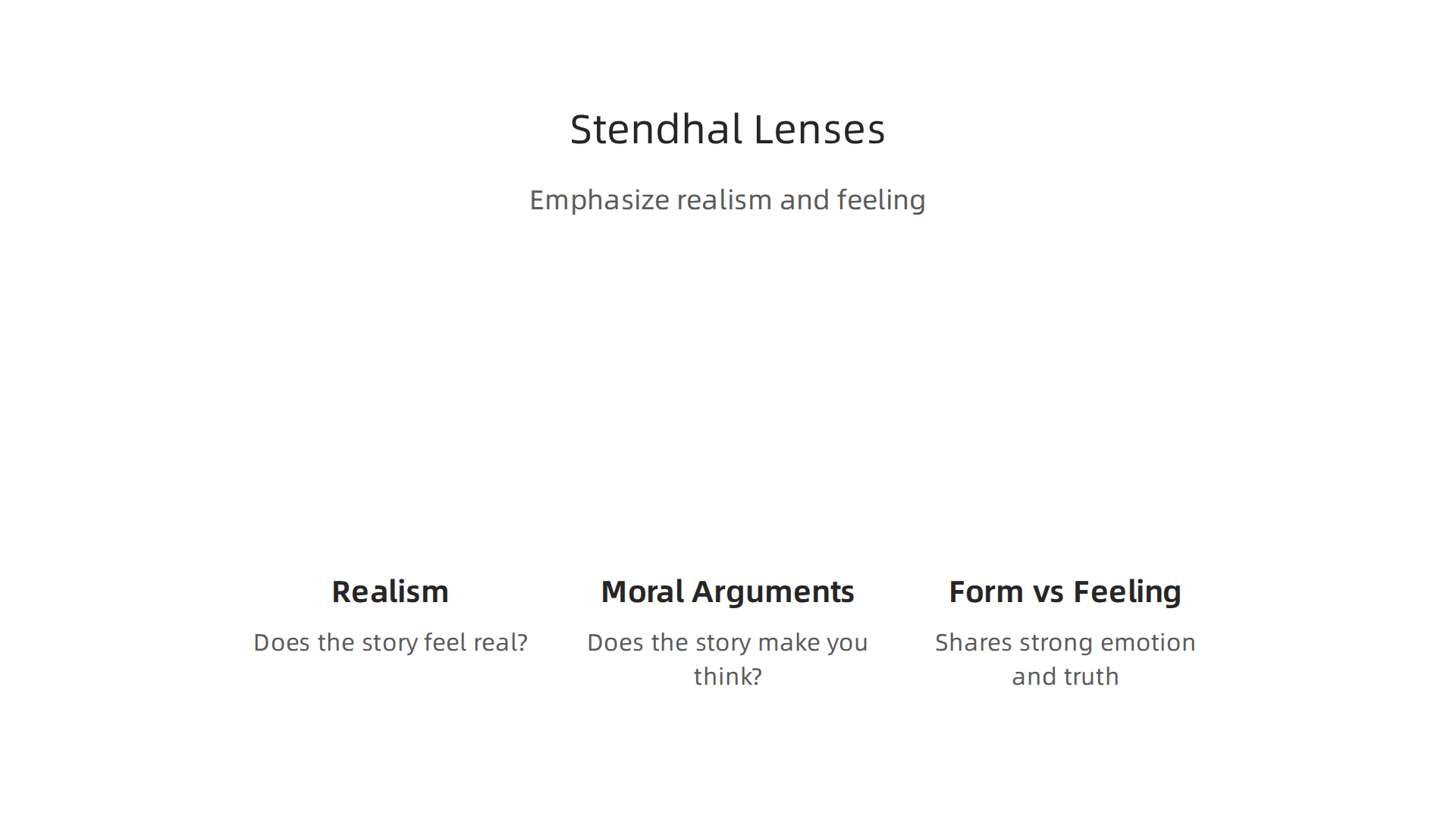
- Realism: Does the story feel real? Do the characters act like real people, with real problems and feelings?
- Moral Arguments: Does the story make you think about right and wrong? Does it show the good and bad parts of human nature?
- Form vs. Feeling: Does the author care more about making the story perfect in its structure, or does it focus on sharing strong emotions and a sense of truth?
For example, when reading some of the best stendhal novels, like The Red and the Black, you can see his method at work. He paints a detailed picture of society and the inner thoughts of his characters, often showing their ambitions and struggles with great honesty. He might not care as much about carl jung books and their big, universal symbols. Instead, he focuses on what makes a single person tick in a specific time and place.
This way of reading helps you appreciate books that are truthful about human life, even if they aren’t always pretty. It encourages you to think about what makes a story powerful for you, not just what makes it fit old rules. If you’re keen on exploring more French literary greats who capture rich details of society and character, you might enjoy discovering The Best Alexandre Dumas Books to Read First.
Just as Stendhal brought wit and insight to his critical views, you can find a different kind of wit and chaos in stories today.
Add The Ridiculous to Your List
Just as Stendhal brought wit and insight to his critical views, you can find a different kind of wit and chaos in stories today. Add The Ridiculous to Your List and explore stories that blend humor with deep ideas. Want Better SF Comedy?
How the Classics Feed Modern Genres: From Myth to Speculative Fiction
Now, let’s look at how even the wildest new stories often have roots in very old tales. Many classic ideas from ancient myths and legends are still very much alive today, especially in science fiction and fantasy. This is called "classical reception," and it shows how older stories are used again and again in new ways to make modern books richer. Writers use these old ideas to give us a deeper understanding of human nature and big questions, even if the stories are set in space or a magical land. This trend has been noted by scholars who study how classical ideas appear in new fiction, including how authors like Mary Shelley used ancient myths in early science fiction works like Frankenstein (1818), as discussed in studies on Classical receptions in science fiction.
Think about the hero’s journey, for example. This is a common story pattern where a main character leaves their ordinary world, faces many challenges, and then comes back changed by their experiences. You can find this idea in ancient Greek myths, in many carl jung books about shared human experiences or "archetypes," and also in almost every major science fiction or fantasy movie and novel you love today. These archetypes are like universal character types or plot points that people recognize across cultures. Luke Skywalker in Star Wars follows this path, just like Odysseus did in ancient Greece, making the story feel familiar and powerful. These common story patterns help us connect with characters, no matter when or where the story takes place, because they tap into very old human feelings.
Other classical themes also pop up a lot, giving modern stories extra depth:
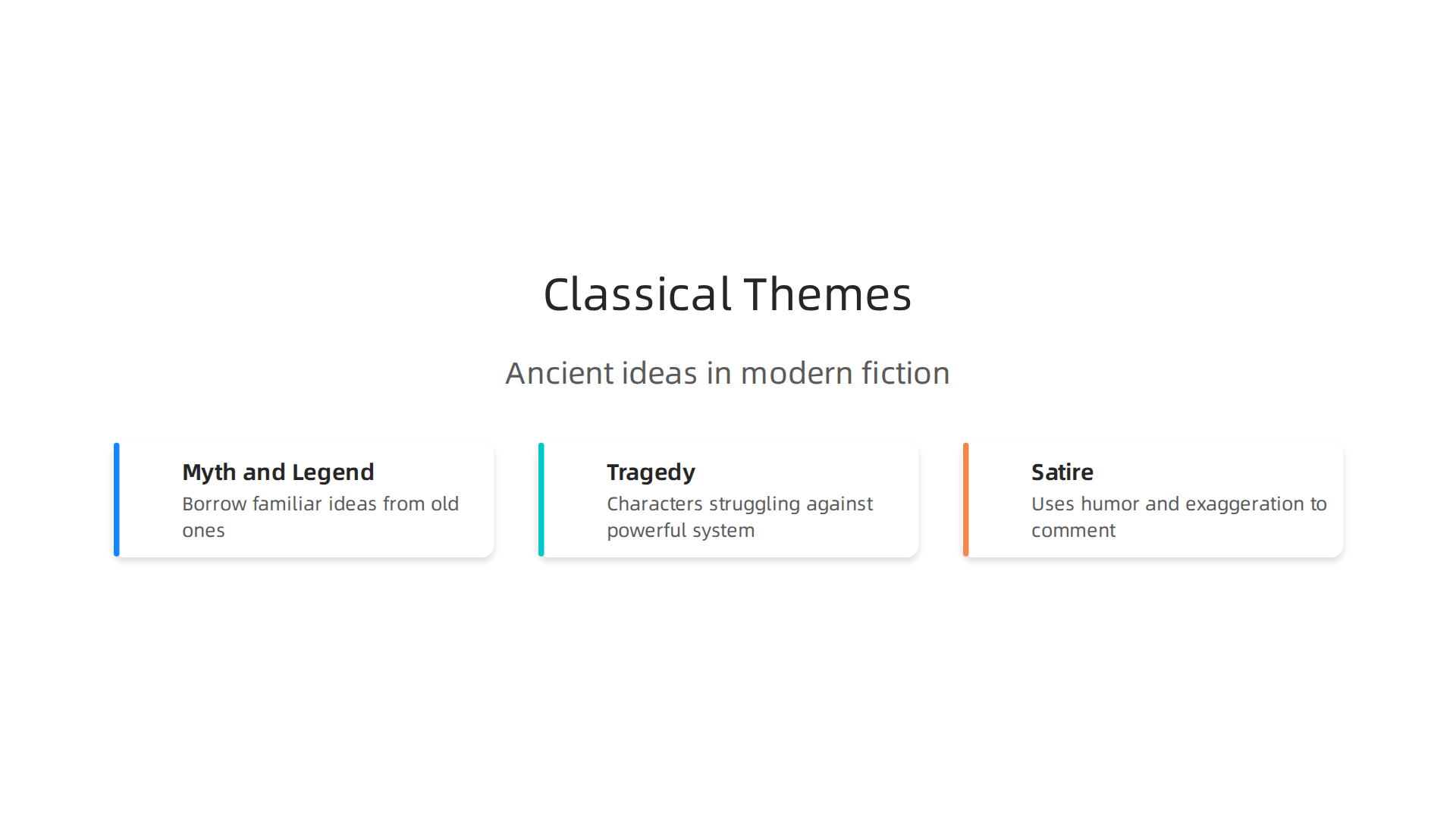
- Myth and Legend: Modern fantasy novels often create new mythologies, but they borrow familiar ideas from old ones. Creatures like dragons, magical quests for powerful items, and stories about mighty gods or beings are all echoes of ancient tales. Even grand space operas can feel like the epic poems from long ago, with brave heroes battling across vast star systems and facing huge empires, as explored in discussions on Classical Reception and Science Fiction.
- Tragedy: Many stories about a dark future, known as dystopian novels, explore ideas that are similar to ancient Greek tragedies. They often show characters struggling against a powerful system or a terrible fate, leading to sad or difficult endings. These books make us think deeply about what might go wrong in society and the choices we make. If you like to read about these kinds of thought-provoking stories, you might enjoy Discovering Quality Adult Dystopian Novels for Thought-Provoking Reads.
- Satire: Just like ancient Roman writers made fun of their society to point out problems, modern speculative fiction uses humor and exaggeration to comment on today’s world. Think of stories that show absurd or silly futures to make a sharp point about our present choices and behaviors. This connects back to the "wit and chaos" we mentioned earlier, using cleverness to make a deeper message.
These examples show that the carl jung books on archetypes and the grand stories from the past are not just dusty old texts. They are living blueprints for new adventures, helping writers create stories that resonate with us on a deep level. Whether it’s a hero fighting an evil empire or a character trying to survive in a strange new world, the echoes of classical traditions help us understand and enjoy these tales even more. The way these old ideas are used in new stories is a lively field of study called Classical Traditions in Science Fiction, showing how much history influences what we read and write today, making our modern stories feel timeless.
The ideas about archetypes and timeless stories from the past often lead people to wonder about the person who brought these ideas to light: Carl Jung. His writings can seem a bit big and hard to start, but many of his carl jung books are packed with wisdom that can help us understand ourselves and the world better. If you’re looking to dive into his ideas, it’s good to know where to begin.
Here’s a simple guide to help you pick the right carl jung books for your reading journey.
For the Curious Casual Reader
If you’re just starting and want to understand Jung’s main ideas without getting lost in very deep academic language, these books are perfect:
- Man and His Symbols: This is often seen as the best starting point. Jung wrote this book for the general public, and it explains his most important ideas in a way that’s easy to grasp. It was actually his last big work and was made to share his thoughts with everyone, not just scholars Best Carl Jung Books: Complete Guide to Essential Works 2026.
- Memories, Dreams, Reflections: This book is Jung’s own story. It shares his life, his dreams, and how he came up with his big ideas. It’s a very personal look into his mind and helps readers connect with him on a human level. Many groups that study Jung also suggest starting here because it gives a good overview of his life and work Recommended Reading List for C. G. Jung Study.
These carl jung books are great because they offer a gentle introduction. They don’t use too much tricky jargon and help you see how Jung’s thoughts can make sense of your own life experiences.
For Students and Deeper Exploration
Once you’ve read an introductory book or two and feel ready for more, you can move on to some of Jung’s more detailed works. These will help you understand his theories more fully:
- Modern Man in Search of a Soul: This book is a collection of essays and lectures that talk about how modern people struggle with their inner selves and the world around them. It’s considered a key book for understanding his basic thoughts and is often recommended as a good next step after the first few reads Jung Any Good Introductions Psychology.
- The Archetypes and the Collective Unconscious: This one dives into Jung’s famous idea of archetypes, which are those universal patterns and images we talked about earlier. It explains how these show up in myths, dreams, and our own minds. This book is a central part of his "Collected Works," which is a big set of all his writings The Collected Works of C. G. Jung Wikipedia.
These carl jung books start to get into the heart of his psychological theories, asking you to think more deeply about complex topics.
For Scholars and Dedicated Study
If you’re really committed to studying Jung’s work, perhaps for school or a personal deep dive, you’ll eventually look at his full collection:
- The Collected Works of C. G. Jung: This is a multi-volume set that holds almost everything Jung ever wrote. It includes his essays, lectures, letters, and even his early writings from 1902 until he passed away in 1961. It’s a huge resource, and it’s what serious students and researchers use to explore every angle of his thinking. Looking at a guide on how to read these can be very helpful as you begin your journey into such a large body of work Carl Jung Books and How to Read Them Guide.
Tips for Reading Jung’s Books
Jung’s ideas are big, and sometimes, his writing can be dense. Don’t rush. Take your time, read slowly, and think about what you’re reading. Some people even find it helpful to watch videos or read what other experts say about Jung’s books first, as they can help break down the ideas into easier parts Best Carl Jung Books for Beginners YouTube. Just like you might read reviews to help you decide on a new story, thinking about how different sources explain complex ideas can make the journey smoother. Finding good versions of these books is also important, as clear translations can make a big difference in understanding. For general advice on choosing quality reads, whether it’s fiction or complex psychology, learning How book reviews help readers can be a useful skill.
Now that you know which carl jung books can help you learn about his thoughts, let’s talk about how these ideas can make reading other stories even more fun. You can use what you learn from Jung, and from another smart writer named Stendhal, to look at novels in a new way. This is great for book clubs or for anyone who loves to think deeply about what they read.

When you use these special ways of looking at books, it’s like having a new set of glasses. You start to see hidden meanings and patterns in the stories and characters.
Using a Jungian Lens: Questions for Your Book Group
Carl Jung taught us about big, shared human patterns called archetypes, and the idea of a collective unconscious. When you read a novel, try asking these questions:
- Observation: What symbols or repeating images do you notice? Does a character go on a journey, face a dark part of themselves (a shadow), or act like a hero or a wise old person? These could be archetypes showing up.
- Symbolic Decoding: What might these symbols truly mean? How do they connect to big feelings or ideas that all humans share, even if we don’t realize it? Think about how the
wuthering heights bookuses a wild, untamed landscape to show deep, fierce love. - Contextual Linkage: How do the characters’ personal stories or struggles fit with Jung’s ideas? Does a character grow into their true self, or do they deal with parts of themselves they don’t like?
Thinking this way can make stories come alive and help you understand human nature better.
Using a Stendhalian Lens: Questions for Your Book Group
Stendhal was a French writer who thought a lot about strong feelings, desires, and how people try to find happiness in a world that often gets in their way. When you look at a novel through his ideas, ask:
- Emotions: What powerful feelings are driving the main characters? Is it love, envy, ambition, or a desire for beauty? Stendhal was very interested in these deep, often hidden feelings that make people act the way they do, which you can read about when exploring works like Egoists, a book of supermen that discuss such literary themes.
- Motivation: What do the characters really want, and why? Do they chase after fame, passion, or a quiet, simple life?
- Society vs. Self: How do the characters struggle against what society expects of them versus what their hearts truly want? Many of the
best stendhal novelsshow characters fighting against the rules of their time. This kind of look at human desire also appears in manygreat irish novelsand other classic works.
A Simple Workshop Idea for Deep Reading
You can turn this into a fun activity for a book group or even just for yourself. It’s like a small workshop:
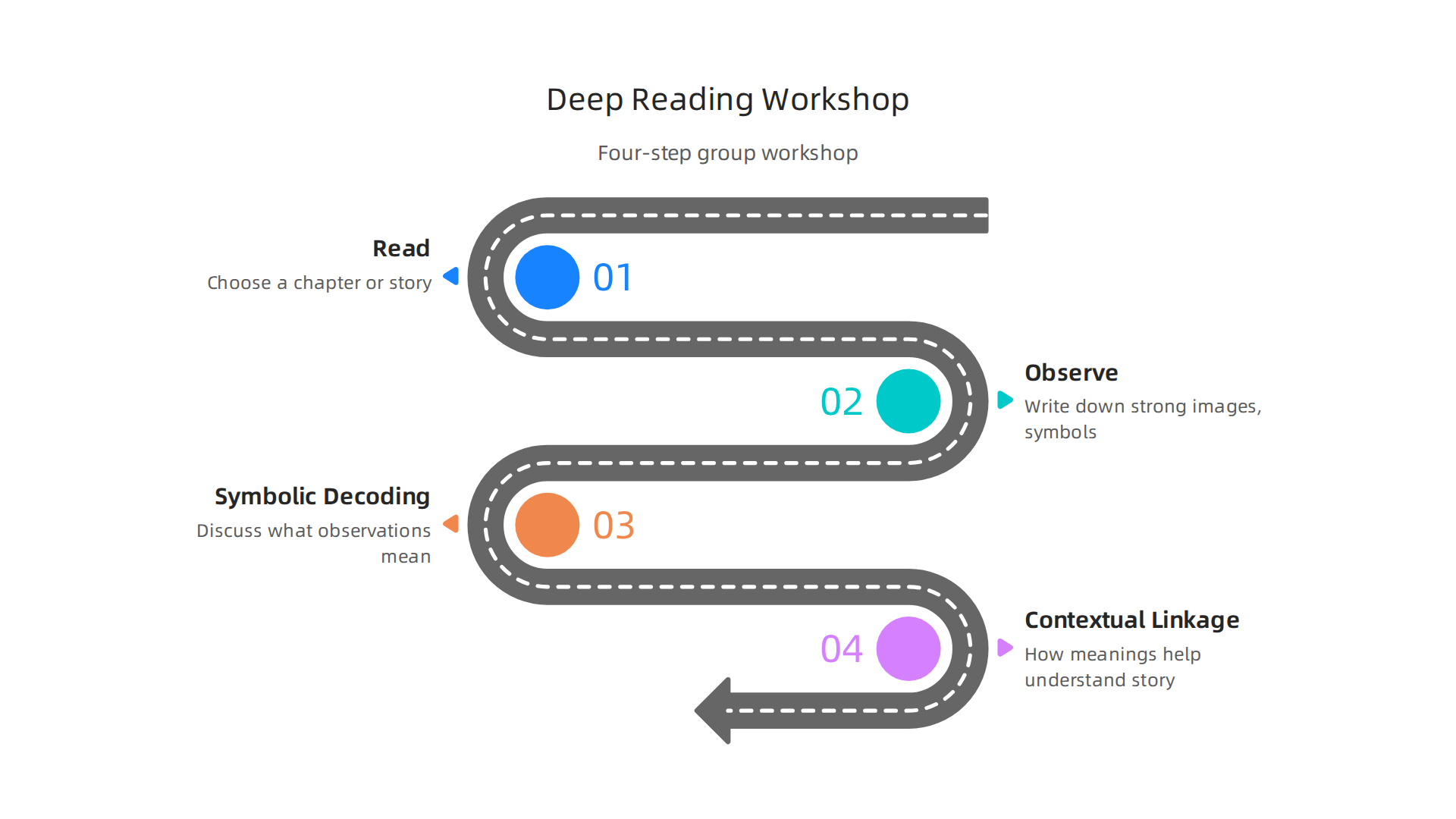
- Read: Choose a chapter or a short story.
- Observe: As you read, write down any strong images, symbols, or big feelings you see.
- Symbolic Decoding: Discuss or think about what those observations might mean. Do they connect to any Jungian archetypes or Stendhalian passions?
- Contextual Linkage: Talk about how these meanings help you understand the story, the characters, or even yourself and the world a bit better. This way of learning, called the Socratic method, uses questions to help people understand things deeply, which is often used when guiding readers through Teaching the Classics: A Socratic Method for Literary Education.
By using these lenses, you won’t just read stories; you’ll explore the human experience found within them. If you’re looking for more classic reads to try this with, finding The Best Alexandre Dumas Books To Read First can give you a great starting point for applying these ideas.
By using special lenses to read books, you can explore the human experience found within them. Now, let’s look at some ways to dive even deeper into these big ideas. This means finding the best versions of books by Carl Jung and Stendhal, and seeing where these old ideas pop up in new stories, like science fiction.
Finding the Right Books: Editions and Translations
To really understand thinkers like Jung, it helps to read good copies of their carl jung books.
- For Carl Jung: Carl Jung’s writings can be tricky. It’s often best to start with books written for everyone, like "Man and His Symbols," which was his last work meant for a general audience. This book helps explain his big ideas in a way that’s easier to grasp, as noted in a guide to the Best Carl Jung Books: Complete Guide to Essential Works 2026. For more serious study, look for trusted translations of his other works. Many people find a Recommended Reading List from places like the C.G. Jung Society very helpful.
- For Stendhal and Other Classics: When reading authors like Stendhal or classic books like the
wuthering heights bookor manygreat irish novels, it’s important to find good translations. A good translator can make sure you feel all the strong feelings and deep thoughts the writer wanted you to experience. Look for editions that have notes or introductions, as these can help explain old words or ideas.
When Old Stories Meet New Adventures
Did you know that ideas from ancient times and classic books often appear in new stories, especially in science fiction and fantasy? This is called "classical reception," meaning how older ideas are used in new ways. For example, many science fiction stories talk about heroes going on a long journey, much like old myths. This shows how classic ideas are still important today, even in stories about spaceships and robots, according to a Book Review: Brett M. Rogers & Benjamin Eldon Stevens (eds.) Classical Traditions in Science Fiction.
If you love exploring new worlds and big ideas, you can find many great books that mix these classic thoughts with new adventures. Websites like Good SF Books can help you uncover quality science fiction books to read for free or find exciting reads like discovering quality adult dystopian novels for thought-provoking reads. These stories make you think deeply while taking you on thrilling rides.
If you enjoy thinking deeply about stories and want to explore something fun and witty in speculative fiction, consider this next step.
Add The Ridiculous to Your List
Add The Ridiculous to Your List
Summary
This article explains why the ideas of Carl Jung and Stendhal — and classical storytelling more broadly — still help readers get more from books today. It summarizes Jung’s key concepts (archetypes, the collective unconscious, individuation) and recommends approachable starting points and study routes, then contrasts that with Stendhal’s insistence on realism, emotion, and moral feeling in literature. The piece shows how those lenses make modern genres, especially science fiction and dystopia, richer by revealing recurring mythic structures like the hero’s journey. You’ll find practical reading advice: what Jung books to begin with, which Stendhal works to notice, how to pick good editions and translations, and a simple workshop-style method for book groups. The article also points to resources for free or curated sci‑fi and dystopian reading, so you can practise these approaches right away. Read it to learn specific questions and steps you can use to analyze novels more deeply and choose the best editions for study.