
Introduction: Navigating the Labyrinth of Book Recommendations
We have all been there. You open your phone, scroll through endless book lists, and feel your brain start to shut down. There are millions of books out there, but finding something you actually want to read can feel impossible. This is a real problem. Research shows that too many choices lead to decision fatigue, where your brain just gives up before you even start.

For many readers, the search begins with a familiar name. You might look up stephenie meyer books because you loved Twilight back in the day, or you want something new from her world. But here is the thing. Meyer is a lightning rod. Some people love her romantic, fast-paced stories. Others think her work is overrated. The debate never ends.
That same struggle happens with other big names too. If you enjoy ken follett books, you know he writes long, detailed historical epics. But maybe you want something shorter or tighter. Or maybe you heard about books by charlie kirk and wonder if they are worth your time. And what about e lockhart books? Her twisty, emotional novels are completely different from everything else.
The challenge is clear. You have too many authors and too little time.
This article cuts through all the noise. We have curated insights and done the hard work for you. Whether you love Stephenie Meyer or want to compare her to other great writers, we will help you find your next perfect read.
Let us explore what makes these authors special and where you should start. If you want even more handpicked recommendations, feel free to Browse Recommendations on our blog for deeper guides.
Stephenie Meyer’s Literary Universe: Beyond Twilight
You probably know Stephenie Meyer best for Twilight. That series alone has sold over 160 million copies worldwide, according to WordsRated. But her world is much bigger than Bella and Edward. Meyer has written several other books, each with its own flavor. Let us look at her full body of work.
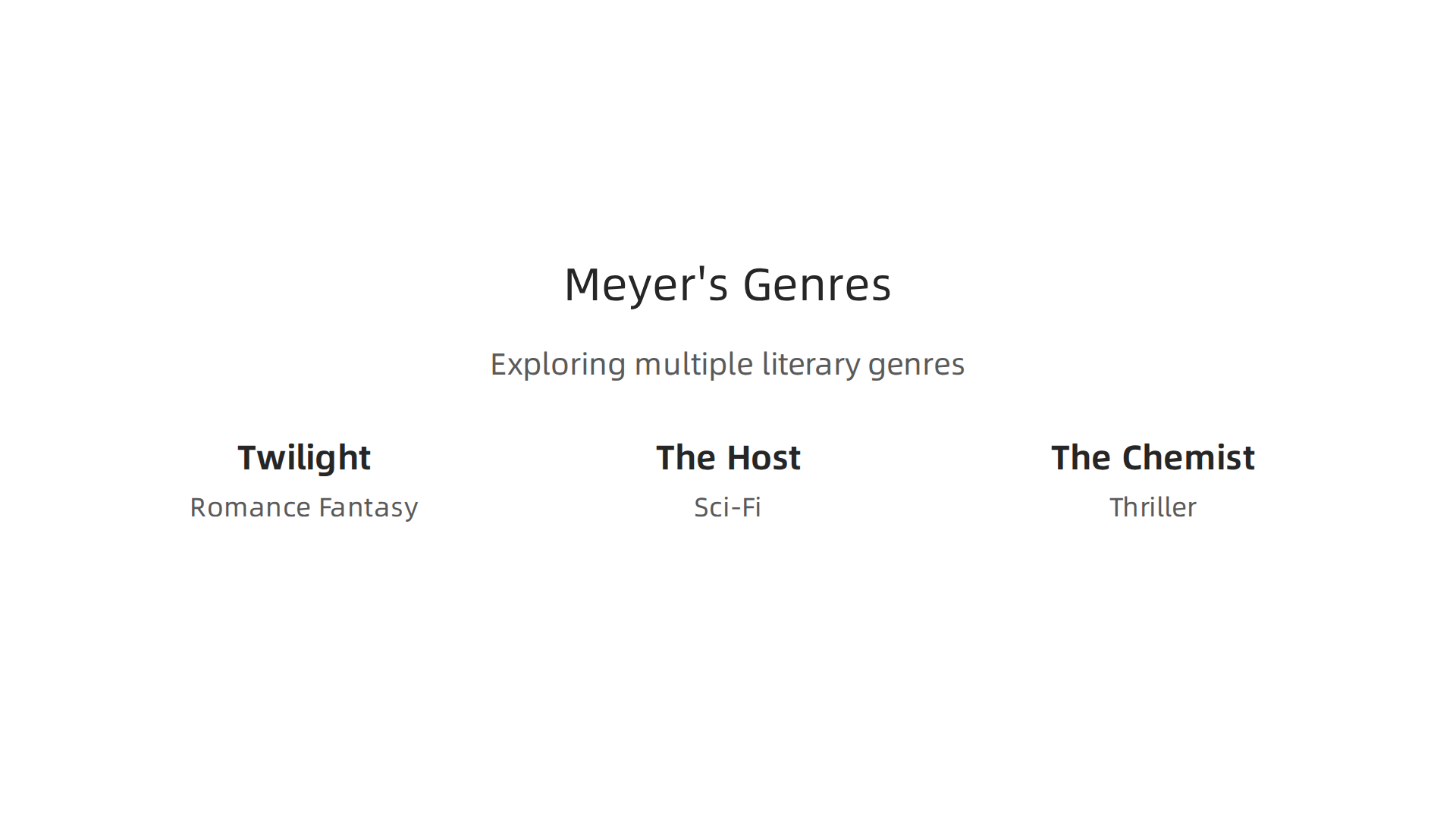
The Twilight Series. This is the giant. Four main novels (Twilight, New Moon, Eclipse, Breaking Dawn) and a couple of companion books like Midnight Sun. Breaking Dawn sold about 1.3 million copies on its first day in 2008, as Britannica notes. Meyer was the bestselling author in the U.S. in both 2008 and 2009, according to Wikipedia. The series blends romance, fantasy, and a touch of horror. It is a love story set against a supernatural world of vampires and werewolves.
The Host. This is Meyer’s sci-fi twist. An alien race takes over human bodies, but one host fights back. It is more adult and philosophical than Twilight. It explores identity and what it means to be human. If you like books by charlie kirk or ken follett books for their big ideas, The Host might surprise you. It is different, but still carries Meyer’s signature emotional depth.
The Chemist. This is a thriller. A former government agent on the run uses her chemistry skills to survive. It is faster, darker, and more action-packed. No vampires, no aliens. Just a strong woman in a dangerous world. Meyer shows she can write across genres.
Narrative Style and Themes. Meyer writes in first person, drawing you deep into her characters’ heads. Her themes repeat: forbidden love, loyalty, sacrifice, and the struggle between duty and desire. She makes you care. Her prose is simple but emotional. She knows how to build tension and keep pages turning.
Defying Genres. Meyer does not stay in one box. Twilight is romance and fantasy. The Host is sci-fi. The Chemist is a thriller.
She mixes genres so naturally that her books feel fresh. That is why readers of e lockhart books and others who love emotional, twisty stories often enjoy Meyer’s work too.
Meyer’s total sales across all books are massive. Her official site says the Twilight series alone has sold over 100 million copies globally in more than 50 countries, and Hachette Book Group confirms the 160 million figure. She is one of the best selling authors of all time. For more on that, check out our article on top 10 highest selling authors of all time.
If you want more handpicked book recommendations beyond Meyer’s universe, feel free to Browse Recommendations for guides tailored to your taste.
Why Stephenie Meyer Still Matters: Influence on YA and Speculative Fiction
You might think Stephenie Meyer is just a blast from the past. But in 2026, her influence is still everywhere. She helped reshape young adult fiction and speculative fiction in ways that are still felt today.
She made paranormal romance mainstream. Before Twilight, the idea of a vampire falling in love with a human wasn’t new, but Meyer turned it into a global phenomenon.
The series sold over 160 million copies worldwide, according to WordsRated. Suddenly, bookstores had entire shelves dedicated to YA paranormal romance. Publishers started hunting for the next big love story with a supernatural twist. That wave brought us series like The Vampire Diaries, The Mortal Instruments, and The Hunger Games. You can see her fingerprints on almost every YA fantasy series that followed.
She changed fan culture. Twilight sparked massive online communities. Fans created forums, fan fiction, and fan art on a scale that was new for a book series. Meyer herself engaged with fans early on. This model of building a passionate fan base is now standard practice for authors. If you enjoy ken follett books or books by charlie kirk, you might notice how their readers also form tight communities. Meyer showed that connecting with readers directly could turn a book into a movement.
Cover design and publishing practices shifted too. Before Meyer, YA book covers were often simple. After Twilight, covers became sleek, dark, and symbolic. The iconic apple on a black background started a trend. Publishers also began releasing companion novels, short stories, and alternate perspectives more aggressively. Midnight Sun, told from Edward’s point of view, is a perfect example. This kind of expanded universe is now common.
Her themes still resonate in 2026. Forbidden love, identity, and choice are timeless. In a world where people are constantly questioning who they are and who they love, Meyer’s stories feel relevant. A character like Bella choosing between two worlds mirrors real decisions we face every day. Readers of e lockhart books know that same emotional weight. Meyer makes you feel it deeply.
Her lasting impact is not just about sales. It’s about how she opened the door for a generation of readers and writers. If you want to discover more authors who shaped modern storytelling, check out our guide on the enduring appeal of Frances Hodgson Burnett books. And if you are looking for your next great read, Browse Recommendations for handpicked lists that fit any mood.
Other Popular Authors in the Speculative Fiction Space: A Who’s Who
Stephenie Meyer showed us that readers love big worlds and intense emotions. But in 2026, the speculative fiction bookshelf is full of other giants too.
Each one defines a different corner of the genre.
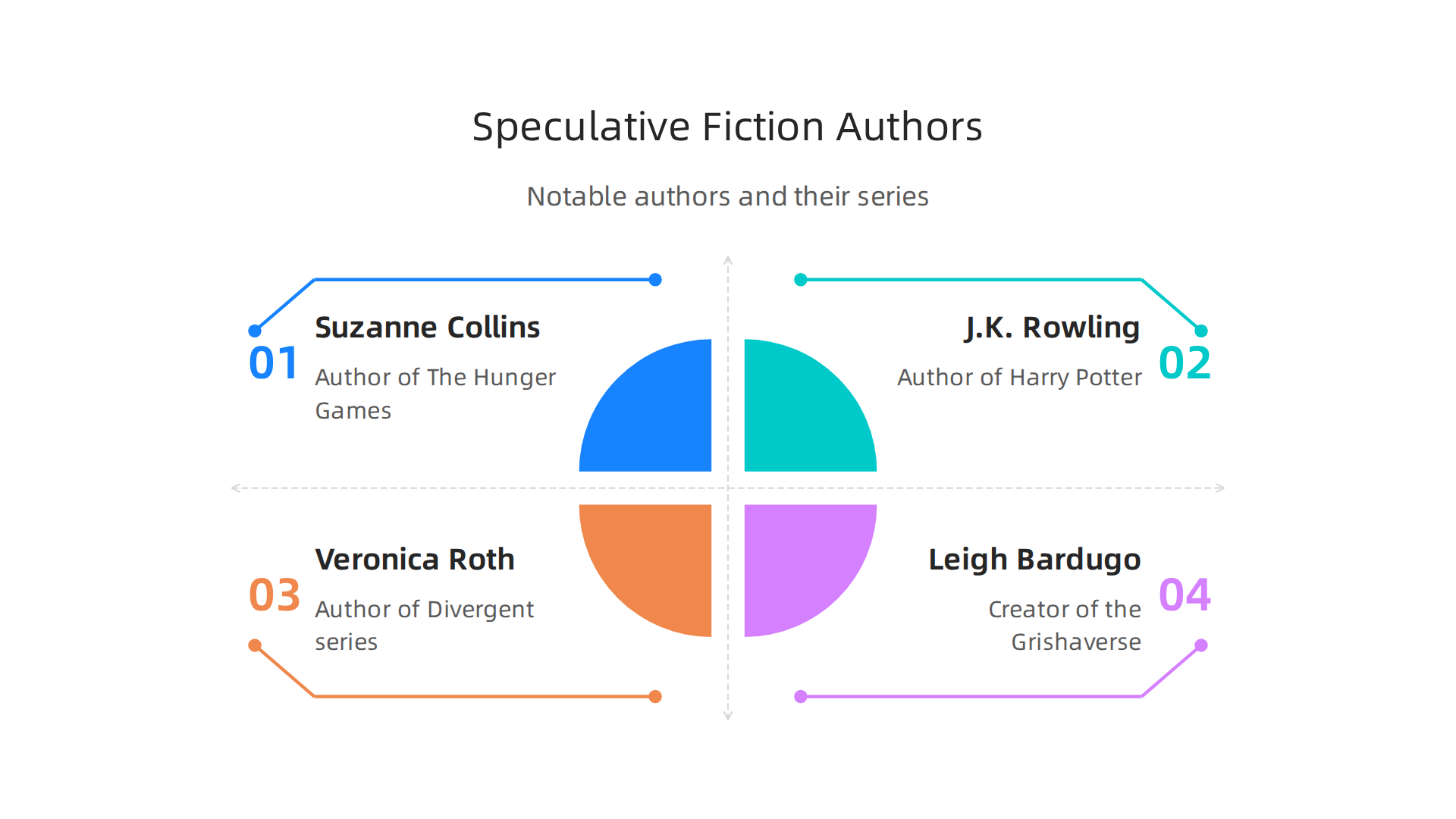
Suzanne Collins: The Queen of Dystopian
If you want stories about fighting the system, start with Suzanne Collins. She wrote The Hunger Games. Her world is brutal, smart, and always relevant. She showed that young adult books could tackle serious political ideas without losing their heart.
J.K. Rowling: The High Fantasy Architect
Rowling did more than write about wizards. She changed how we see fantasy. According to a study by ENS Lyon, her Harry Potter series helped bring dystopian themes into mainstream YA fiction. Her world is huge, but she guides you through it one step at a time. That is a skill many authors try to copy.
Veronica Roth and Leigh Bardugo
Roth made us ask hard questions about identity with Divergent. Her factions became a blueprint for a whole wave of dystopian books.
Bardugo brought dark magic and rich history with the Grishaverse. Her books feel like classic fantasy but with a modern, sharper edge. If you like morally gray characters, she is your author.
Common Pitfalls When Jumping Into These Worlds
Here is the problem many readers face. These universes are so big that it is easy to get lost.
- You might buy the wrong book in the series.
- You might feel bombarded with strange names and places.
- You might give up before the story gets good.
This happens to everyone. The trick is finding a reliable guide.
For example, if you love the historical sweep of ken follett books or the bold opinions in books by charlie kirk, you probably want stories with high stakes. If you prefer the emotional puzzles in e lockhart books, you want something more personal. Knowing this helps you pick the right book every time.
Your Next Step
Want to explore these authors without the hassle? Check out our list of the top 10 highest selling authors of all time to see where these writers stand. And when you are ready for a truly unique ride in speculative fiction, Explore the Series that mixes cosmic absurdity with real heart. It is the perfect next read for fans who want something fresh.
Comparative Analysis: Meyer, Rowling, Collins, and Beyond
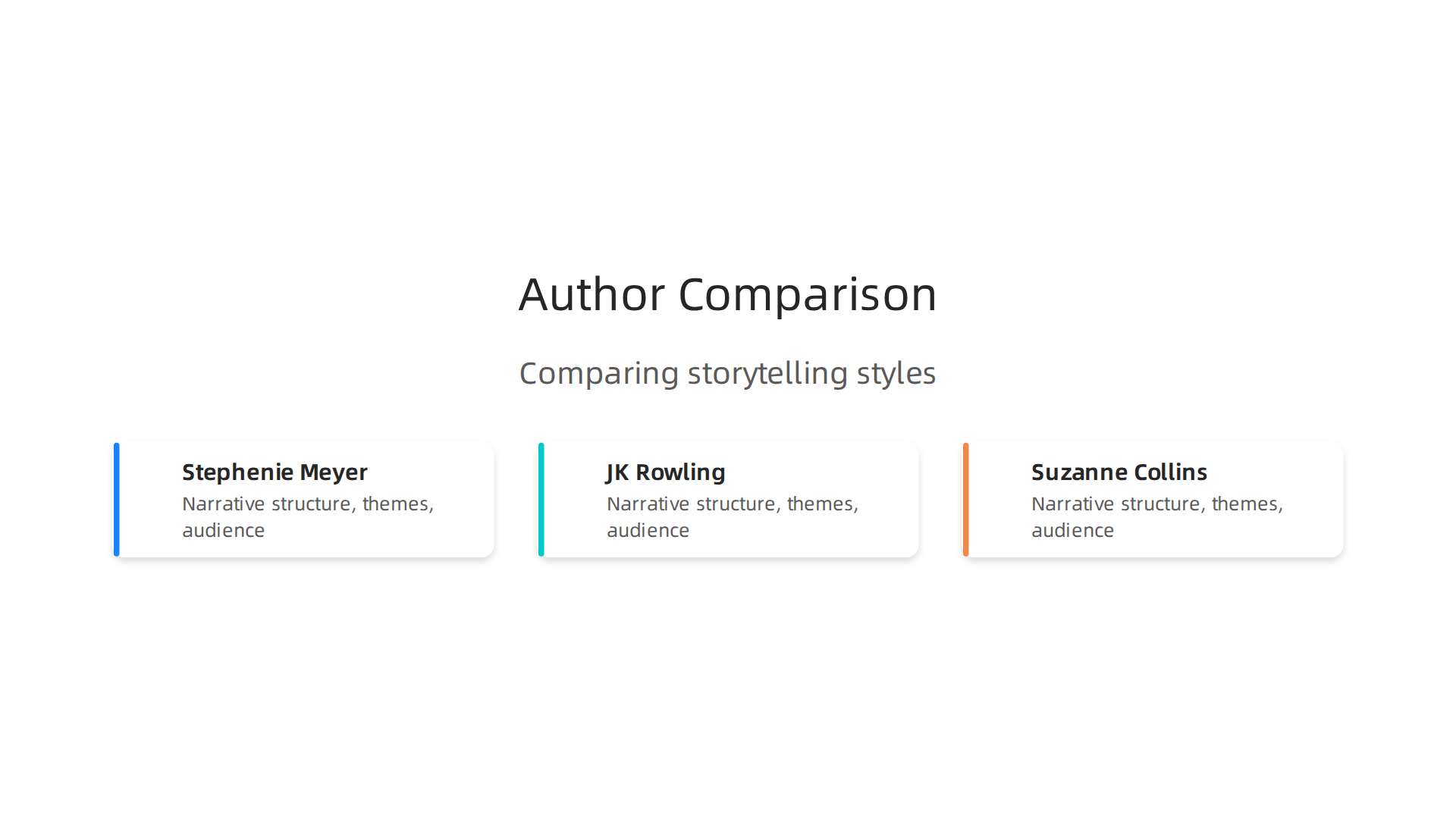
So you have seen the big names. Now let’s put them side by side. Stephenie Meyer, J.K. Rowling, and Suzanne Collins each built massive worlds, but they did it in very different ways. Understanding these differences can help you find your next perfect read faster.
Here is a quick comparison of their storytelling styles.
| Author | Narrative Structure | Core Themes | Typical Target Audience |
|---|---|---|---|
| Stephenie Meyer | Slow‑burn romance with a strong internal voice. The plot moves through personal relationships and emotional tension. | Love, identity, forbidden desire, choice, and the pull between two worlds. | Teen and adult readers who love emotional intensity, romance, and character‑driven stories. |
| J.K. Rowling | Classic three‑act hero’s journey with a clear mystery arc per book and an overarching enemy. | Good vs. evil, friendship, sacrifice, prejudice, and coming of age. | Middle‑grade to adult readers who enjoy detailed world‑building and a mix of adventure, humor, and moral questions. |
| Suzanne Collins | Tight, fast‑paced dystopian plot with a focus on survival and rebellion. Each book raises the stakes. | Power, inequality, violence, survival, and the cost of revolution. | Young adult and adult readers who crave high‑stakes action and social commentary. |
As one critic noted, readers are drawn to Meyer because of her storytelling pace and the way she speaks directly to a whole generation. Her books feel intimate. Collins, on the other hand, forces you to confront hard societal questions through a brilliant narrative. And Rowling? She used fantasy to bridge the gap between children’s stories and dystopian ideas, changing YA fiction forever.
Why some readers love Meyer but not Rowling—and vice versa
Here is the thing. If you love stephenie meyer books, you probably care most about emotions and characters. You want to feel what the heroine feels. If you love Rowling, you might care more about plot twists, puzzles, and a detailed system of magic. That is not a judgment. It is just a difference in what hooks you.
The same goes for Collins. Fans of ken follett books often like her because they both write about big historical struggles. Readers who enjoy e lockhart books might prefer Meyer’s focus on personal identity. And if you like books by charlie kirk, you might be drawn to Collins’s political themes. Knowing what you value helps you skip the wrong series.
Lessons for readers seeking similar emotional or conceptual journeys
Here is a simple rule. Ask yourself: Do I want to escape into someone’s heart (Meyer), save the world (Rowling), or tear down a corrupt system (Collins)? Your answer points you to the right author.
If you already read the top authors and want something fresh, check out our list of the top 10 highest selling authors of all time to see how these giants rank. And if you are in the mood for a story that mixes deep feelings with wild imagination, you might love a series that blends cosmic absurdity with real heart. Explore the Series and see what happens when speculative fiction takes a hilarious, thoughtful turn.
Curated Reading Lists for Sci‑Fi & Fantasy Fans: Bridging Meyer and Beyond
So you know which author fits your mood. But finding the next book to scratch that specific itch? That is where most readers get stuck. You know you want something like stephenie meyer books, but darker. Or maybe you want the political scope of books by charlie kirk but with dragons.
This is the moment where a good reading list becomes your best friend. Let us build some pathways.
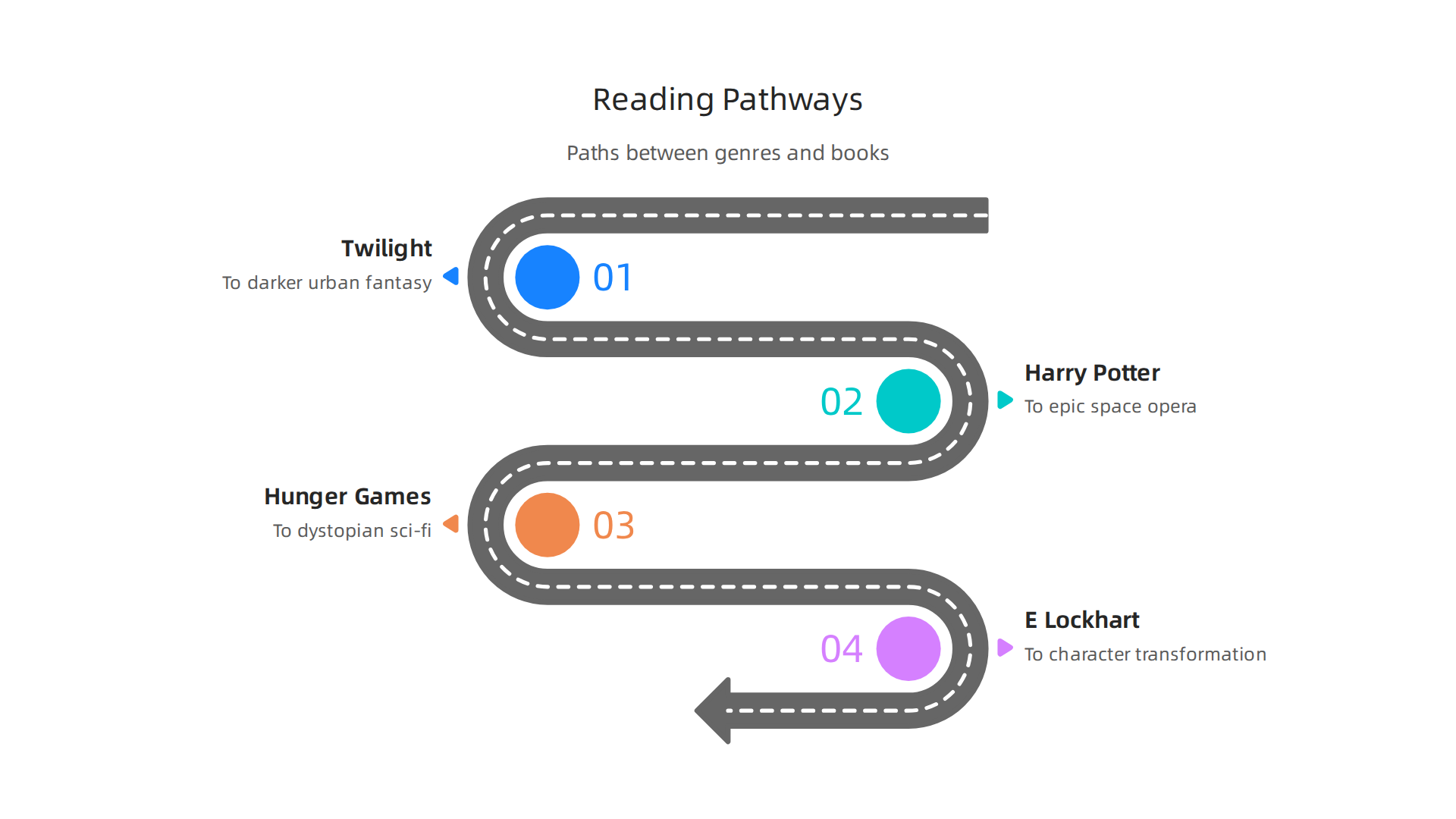
Reading pathways based on what you already love
- From Twilight to darker urban fantasy. If you love the emotional intensity of Meyer but want higher stakes and scarier monsters, urban fantasy is your next stop.
The romance is riskier, and the worlds are grittier.
- From Harry Potter to epic space opera. If you love detailed worlds and a hero on a journey, space opera gives you that same scale, but with starships instead of wands.
- From The Hunger Games to dystopian sci-fi. If Collins showed you how much you love a rebellion, hard sci-fi and dystopian novels offer the same social commentary with even bigger what‑if questions.
- For the identity seekers. If you love the personal growth in e lockhart books, look for stories that mix speculative settings with deep character transformation.
Combatting discovery fatigue with smart curation
Here is the problem: there are too many books. Libraries, like the ones highlighted in the UC Berkeley Summer Reading List, know that curated collections are key to helping readers find joy, not just more options. The same goes for your personal reading.
As the experts at NoveList explain, professionally designed reading guides help readers cut through the noise and Find Your Book Joy this summer. That is the whole point. Stop scrolling. Start reading.
No matter which subgenre calls to you, having a trusted guide makes all the difference. For example, if you are introducing a younger reader to these worlds, checking out a guide to the best childrens book series for ages 6 to 12 that kids actually love can save you hours of guessing.
The goal is simple: more reading, less searching. The easiest way to beat discovery fatigue is to let someone else do the sorting. We put together curated lists that take you from Meyer to modern masters without the burnout. Browse Recommendations and find your next great read. Or if you want a story that blends the emotional depth of YA fantasy with the wild ideas of speculative fiction, Explore the Series and see where the rabbit hole goes.
How to Discover Your Next Favorite Book Without Overwhelm
Staring at a bookshelf full of choices can actually stop you from reading at all. That feeling has a name: decision fatigue. Research from The Decision Lab shows that the more options we have, the harder it is to make a good choice. Picking a book should feel exciting, not stressful.

So how do you fix that? You need a simple system. Not a bigger wishlist. Not more scrolling. A system.
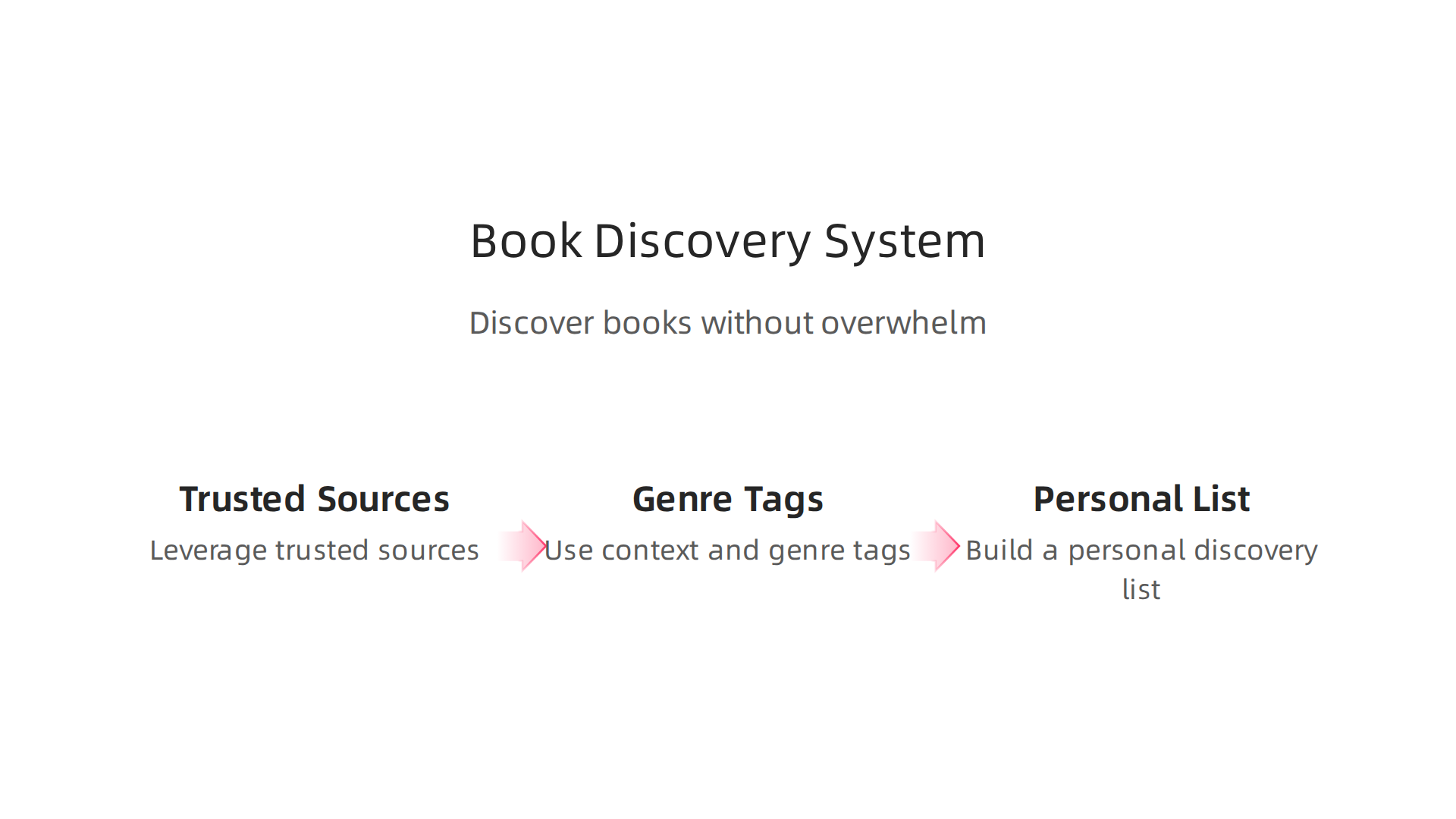
Step 1: Leverage trusted sources.
You do not have to do all the work yourself. Professionals like librarians and expert bloggers already filter out the junk. For example, the UC Berkeley Summer Reading List is built by people who know how to find good books. That is a shortcut you can use over and over.
Find one or two reviewers whose taste matches yours. When they love a book, you know it is safe to try.
Step 2: Use context and genre tags.
Here is the trick. Stop searching by author name only. Search by mood or subgenre instead.
If you love the romance and emotional stakes of stephenie meyer books, look for tags like "forbidden love" or "supernatural suspense." If you prefer the sprawling, detailed history of ken follett books, try "multigenerational epic" or "historical saga."
The smaller your search field, the better your results.
Of course, knowing the landscape helps. Context matters. You can see the biggest names in the game by checking out our list of the top 10 highest selling authors of all time. But your next great read is probably hiding inside a specific tag, not a bestseller list.
Step 3: Build a personal discovery system.
Keep a running list of books recommended by your trusted sources. When you finish a book, you already know what comes next. No decision fatigue. No scrolling.
That is how you read more and hunt less.
The easiest system of all? Let someone else build it for you. Browse Recommendations and skip straight to the good part.
Summary
This article helps readers cut through endless book recommendations by spotlighting Stephenie Meyer’s work and placing her alongside other major speculative fiction authors like J.K. Rowling and Suzanne Collins. It summarizes Meyer’s major books—from the Twilight series to The Host and The Chemist—explaining her narrative style, recurring themes, and cross-genre reach. The piece then shows why Meyer’s influence still matters for YA and speculative fiction, how she changed fan culture and publishing, and how readers can use that context to find books they’ll actually enjoy. Practical reading pathways connect what you already love (romance, epic worldbuilding, political dystopia) to specific subgenres and next reads. The article also offers a simple, three-step system to beat decision fatigue—use trusted sources, search by mood/tags, and build a personal discovery list—plus curated recommendations to help you start reading instead of scrolling.